
"parchment removal"
400 article(s) found

Flavor description of coffee and bean honey treatment taste grinding scale variety production area
Coffee and bean honey treatment flavor description taste grinding scale variety production area 1. Skin/Pulp: the outermost layer of coffee beans is covered with berry-like skin and pulp. In addition to the natural sun method, coffee beans treated by other methods must remove the skin and flesh within a few hours after picking. For coffee, peel and pulp are important by-products. In some industries

Factors affecting the quality of coffee beans in terms of harvest, processing, treatment and storage
The annual winter, that is, the dry season is the harvest time for coffee beans. After three to four years of growth, the coffee trees gradually mature and begin to bear fruit. The fruits are arranged in strings or clumps next to the branches. The coffee beans are wrapped in a red coat and can be picked as soon as they turn red. Most Arabica coffee beans mature in June and August, while Robasta coffee beans mature in September and October, so although
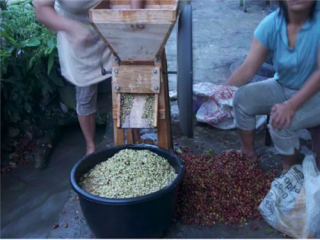
What is the difference between wet planing coffee beans and semi-sun treatment coffee beans? What are the characteristics of wet planing coffee beans?
Wet planing coffee beans is a method of processing Indonesian coffee. Here is a description of the specific process of wet planing: coffee farmers first pick mature coffee fruits and put them into the sink to remove impurities and immature coffee fruits by flotation. The pulp and pericarp are then removed using a peeler, leaving the endocarp and pericarp.

Pulp treatment refers to what honey treatment changes which step of the raw bean treatment method
Pulp treatment refers to what honey treatment changes which step of the raw bean treatment method 1. Skin/Pulp: the outermost layer of coffee beans is covered with berry-like skin and pulp. In addition to the natural sun method, coffee beans treated by other methods must remove the skin and flesh within a few hours after picking. For coffee, the skin and pulp are important.

On the processing of coffee beans
There are two ways to prepare coffee beans for the baking process. The method chosen has a significant impact on the final value and quality of coffee. The cheapest method of processing is called "drying", which is used for lower-grade coffee beans, while higher-quality coffee beans are processed by "wet treatment".

The whole process of coffee bean wet planing method _ Sumatra Mantenin coffee bean wet planing method
Professional coffee knowledge exchange more coffee bean information please pay attention to the coffee workshop (Wechat official account cafe_style) wet planing processing of coffee beans is a tradition of Indonesian Sumatran coffee, according to the president of the Indonesian Fine Coffee Association (SCAI) said Semi-washed Wet hulled, here its specific steps are as follows: ● first step: harvest 3 to 3 per year
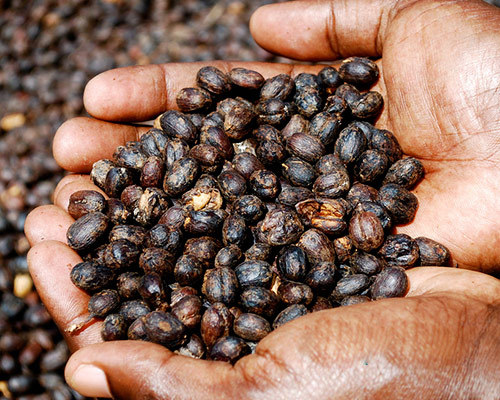
Please introduce the raw bean treatment method of coffee washing, semi-washing, sun drying and honey treatment in Costa Rica.
The first is dry treatment (secado), also known as natural all-day exposure (natural). After the coffee fruit is actually picked, it is dried directly in the sun. According to the weather conditions, it is generally necessary to dry the coffee beans for 2 weeks to reduce the water content of the coffee beans to 10%, 12%, and then use a machine to remove the dried peel and pulp. The raw bean processing plant (beneficio) usually keeps the outside of the coffee beans when the raw beans are stored.
Processing of coffee fruit
Coffee is the fruit of a Rubiaceae plant growing about 6000 feet above sea level, distributed on the world's narrow subtropical axis; coffee trees grow green all the year round and can grow up to 20 feet tall, and are generally controlled at 8 to 10 feet for easy harvest. It takes three to five years for the coffee tree to bear fruit. First of all, it produces small white flowers that resemble jasmine in shape and size, and then wither and bear deep fruit.

What is the Sumatran wet planing method? Introduction to the characteristics of wet planing of coffee beans (Wet hulled)
Professional coffee knowledge exchange more coffee bean information please follow the coffee workshop (Wechat official account cafe_style) Wet planing coffee beans are the tradition of Indonesian coffee in Sumatra, according to the president of the Indonesian Fine Coffee Association (SCAI) said Semi-washed Wet hulled, here its specific steps are as follows: ● first step: harvest every year from March to May and September to December is Sumen

Natural sun treatment of coffee-honey treatment of coffee beans in the sun
Natural sun treatment of coffee-honey treatment of coffee beans in the sun wash 1 peel and pulp (Skin/Pulp): the outermost layer of coffee beans is covered with berry-like peel and pulp. In addition to the natural sun method, coffee beans treated by other methods must remove the skin and flesh within a few hours after picking. It is similar to the cherries we often eat, but the difference is that when we eat cherries

Coffee treatment what is the coffee flavor characteristics of water washing treatment
Professional coffee knowledge exchange more coffee bean information Please pay attention to the coffee workshop (Wechat official account cafe_style) washing method put the selected coffee cherries into the peeling machine to initially remove their peel and pulp. Put the coffee beans with residual pectin into the water and let them ferment (about 24 hours). After fermentation, put the raw coffee beans with parchment into the flow tank
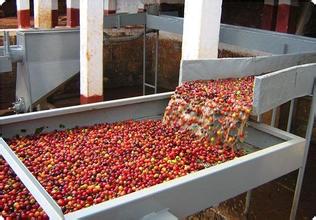
Treatment of raw coffee beans: introduction to the operation method and purpose of washing method
Washing method: 1, select beans: put the harvested fruit in a water tank and soak for about 24 hours. At this time, ripe fruit will sink, while immature and overripe fruit will float up and can be removed. 2. Remove the pulp: use a machine to remove the skin and pulp, leaving only the coffee beans wrapped in the endocarp. At this time, there is a layer of mucous membrane on the outside of the beans, and the process of washing is

Coffee common sense what is the processing of coffee beans
There are two ways to prepare coffee beans for the baking process. The method chosen has a significant impact on the final value and quality of coffee. The cheapest method of processing is called drying, which is used for lower-grade coffee beans, while higher-quality coffee beans are processed by wet treatment. Drying is used for unwashed coffee beans. Wet treatment used for thorough cleaning or semi-cleaning.
Fine Coffee Science explains the processing of coffee beans in detail
There are two ways to prepare coffee beans for the baking process. The method chosen has a significant impact on the final value and quality of coffee. The cheapest method of processing is called drying, which is used for lower-grade coffee beans, while higher-quality coffee beans are processed by wet treatment. Drying is used for unwashed coffee beans. Wet treatment used for thorough cleaning or semi-cleaning.
Harvest and processing of Fine Coffee
Coffee is the fruit of a Rubiaceae plant growing about 6000 feet above sea level, distributed on the world's narrow subtropical axis; coffee trees grow green all the year round and can grow up to 20 feet tall, and are generally controlled at 8 to 10 feet for easy harvest. It takes three to five years for the coffee tree to bear fruit. First of all, it produces small white flowers that resemble jasmine in shape and size, and then wither and bear deep fruit.
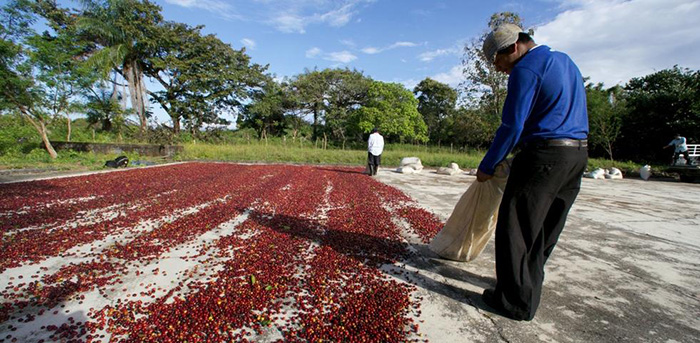
Processing of coffee beans which method is suitable for different coffee beans
There are two ways to prepare coffee beans for the baking process. The method chosen has a significant impact on the final value and quality of coffee. The cheapest method of processing is called drying, which is used for lower-grade coffee beans, while higher-quality coffee beans are processed by wet treatment. Drying is used for unwashed coffee beans. Wet treatment used for thorough cleaning or semi-cleaning.

Varieties of coffee harvested and processed
Coffee is the fruit of a Rubiaceae plant growing about 6000 feet above sea level, distributed on the world's narrow subtropical axis; coffee trees grow green all the year round and can grow up to 20 feet tall, and are generally controlled at 8 to 10 feet for easy harvest. It takes three to five years for the coffee tree to bear fruit. First of all, it produces small white flowers that resemble jasmine in shape and size, and then wither and bear deep fruit.
Processing of Fruit of Fruit of Fine Coffee
Coffee is the fruit of a Rubiaceae plant growing about 6000 feet above sea level, distributed on the world's narrow subtropical axis; coffee trees grow green all the year round and can grow up to 20 feet tall, and are generally controlled at 8 to 10 feet for easy harvest. It takes three to five years for the coffee tree to bear fruit. First of all, it produces small white flowers that resemble jasmine in shape and size, and then wither and bear deep fruit.

Knowledge Popularization of Science | History of Kenya Green Coffee manufacturer C.Dorman Company Kenya Coffee supply chain
C. Dorman Ltd was founded by Charles and Ellen Dorman in 1950 and quickly became a famous coffee export company in East Africa. Today, the company is still one of the leading exporters in the region. C. Dorman remains firmly committed to providing the highest quality coffee, while also supporting coffee in Kenya, Tanzania and Rwanda by investing in sustainable development programs

What is the difference in flavor and taste between water washing and sun treatment of coffee beans?
The difference in flavor and taste between washed and tanned coffee beans lies in where the peel and Skin/Pulp are: the outermost layer of the coffee bean is covered with berry-like skin and pulp. In addition to the natural sun method, coffee beans treated by other methods must remove the skin and flesh within a few hours after picking. It is similar to the cherries we often eat, but the difference is that we are in